
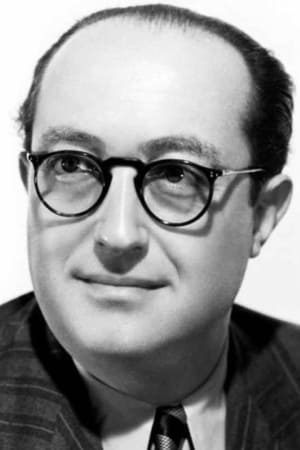
Henry Koster
Personal Info
Known For
Directing
Birthday
May 1, 1905(120 years old)
Place of Birth
Berlin, Germany
Biography
Henry Koster (May 1, 1905 – September 21, 1988), born Hermann Kosterlitz, was a German-born film director, who worked in Europe as well as in Hollywood. Although he never won an Oscar, Koster directed six different actors in Oscar-nominated performances. In 1932, Koster directed his first film in Berlin, the comedy Thea Roland. In the midst of directing his second film Das häßliche Mädchen, Jewish Koster had been the subject of antisemitism, and knew he had to leave the country. He left Germany for France, where he was rehired by director Curtis Bernhardt, who had also fled. Eventually Koster went to Budapest, where he met and married Kató Király in 1934. There he also met Joe Pasternak, who represented Universal in Europe, and directed three films for him. Through his friend Gabriel Levy he ended up directing Dutch sound film De Kribbebijter, released internationally as The Cross-Patch, which proved a success both in the Netherlands - where it played in cinemas for no less than seven years - and in the UK. Soon after, Koster signed a deal with Universal Pictures in Hollywood and moved to the United States. Although Koster did not speak English, he convinced the studio to let him make Three Smart Girls, for which he personally coached to-be star Deanna Durbin. This picture, a big success, pulled Universal out of bankruptcy. Koster's second Universal film, One Hundred Men and a Girl, also was successful. After this, Koster discovered Abbott and Costello at a nightclub in New York. He returned to Hollywood and convinced Universal to hire them. Their first picture was One Night in the Tropics; the female lead, Peggy Moran, became Koster's second wife in 1942. Ironically, despite Koster's escape from Nazi Germany, when the United States entered World War II Koster was considered an enemy alien and had to stay in his house in the evening. Actor Charles Laughton would visit Koster and play chess with him. Nonetheless, Koster's postwar career proved equally successful. He was nominated for an Academy Award for The Bishop's Wife (1947). In 1950, he directed his biggest success: the James Stewart comedy Harvey. He directed Richard Burton's first U.S. film, My Cousin Rachel, and then in 1953, he was given The Robe, the first CinemaScope film. His last picture was The Singing Nun in 1965. Koster retired to Leisure Village in Camarillo, California, where he painted a series of portraits of the movie stars with whom he worked.

Henry Koster – Full Biography, Career, Life Story & Achievements
| Name | Henry Koster |
|---|---|
| Birthday | Mon May 01 1905 |
| Gender | Male |
| Place of Birth | Berlin, Germany |
| Known For | Directing |
| Also Known As | Hermann Kosterlitz |
| Popularity | 1.7646 |
| IMDB ID | nm0467396 |
| Death Date | Wed Sep 21 1988 |
Biography
Henry Koster (May 1, 1905 – September 21, 1988), born Hermann Kosterlitz, was a German-born film director, who worked in Europe as well as in Hollywood. Although he never won an Oscar, Koster directed six different actors in Oscar-nominated performances. In 1932, Koster directed his first film in Berlin, the comedy Thea Roland. In the midst of directing his second film Das häßliche Mädchen, Jewish Koster had been the subject of antisemitism, and knew he had to leave the country. He left Germany for France, where he was rehired by director Curtis Bernhardt, who had also fled. Eventually Koster went to Budapest, where he met and married Kató Király in 1934. There he also met Joe Pasternak, who represented Universal in Europe, and directed three films for him. Through his friend Gabriel Levy he ended up directing Dutch sound film De Kribbebijter, released internationally as The Cross-Patch, which proved a success both in the Netherlands - where it played in cinemas for no less than seven years - and in the UK. Soon after, Koster signed a deal with Universal Pictures in Hollywood and moved to the United States. Although Koster did not speak English, he convinced the studio to let him make Three Smart Girls, for which he personally coached to-be star Deanna Durbin. This picture, a big success, pulled Universal out of bankruptcy. Koster's second Universal film, One Hundred Men and a Girl, also was successful. After this, Koster discovered Abbott and Costello at a nightclub in New York. He returned to Hollywood and convinced Universal to hire them. Their first picture was One Night in the Tropics; the female lead, Peggy Moran, became Koster's second wife in 1942. Ironically, despite Koster's escape from Nazi Germany, when the United States entered World War II Koster was considered an enemy alien and had to stay in his house in the evening. Actor Charles Laughton would visit Koster and play chess with him. Nonetheless, Koster's postwar career proved equally successful. He was nominated for an Academy Award for The Bishop's Wife (1947). In 1950, he directed his biggest success: the James Stewart comedy Harvey. He directed Richard Burton's first U.S. film, My Cousin Rachel, and then in 1953, he was given The Robe, the first CinemaScope film. His last picture was The Singing Nun in 1965. Koster retired to Leisure Village in Camarillo, California, where he painted a series of portraits of the movie stars with whom he worked.
Early Life
Henry Koster was born in Berlin, Germany and showed interest in the arts from a young age. Their journey into the entertainment industry began with early training, auditions, and small roles that laid the foundation for a remarkable career. Over time, their dedication, passion, and natural ability allowed them to rise into mainstream recognition.
Career Summary
Throughout their career, Henry Koster has worked across multiple film genres and creative spaces, collaborating with renowned directors, producers, and co-stars. Their performances have often been praised for emotional depth, versatility, and commitment to characterization. Over the years, they have contributed to some of the highest-grossing and critically acclaimed works in the industry.
Achievements & Recognition
Over the years, Henry Koster has earned numerous accolades for their outstanding performances, including nominations and wins across prestigious award platforms. Their influence extends beyond acting, contributing to cultural conversations, brand endorsements, and charitable causes.
Known For
Henry Koster is widely recognized for their contributions in the field of Directing, building a legacy that continues to inspire fans worldwide.
Frequently Asked Questions
1. Who is Henry Koster?
Henry Koster is a renowned personality known for their work in Directing.
2. Where was Henry Koster born?
They were born in Berlin, Germany.
3. What is Henry Koster known for?
They are best known for their achievements in Directing.
4. When is Henry Koster's birthday?
Mon May 01 1905
5. What awards has Henry Koster received?
They have earned several awards and nominations for their exceptional performances.
6. What are some famous works of Henry Koster?
They are associated with multiple critically acclaimed and popular projects across genres.
7. Is Henry Koster active today?
Yes, they continue to work actively in various creative fields.
8. Does Henry Koster support any charities?
Yes, they are known for involvement in social causes and charitable initiatives.
9. What are Henry Koster's alternate names?
They are also known as Hermann Kosterlitz.
10. How popular is Henry Koster?
They hold a popularity rating of 1.7646, reflecting global recognition.
Known For

© 2025 Movie Verse Hub. All rights reserved. Data sourced from TMDB. All content belongs to its respective owners.
This product uses the TMDB API but is not endorsed or certified by TMDB.